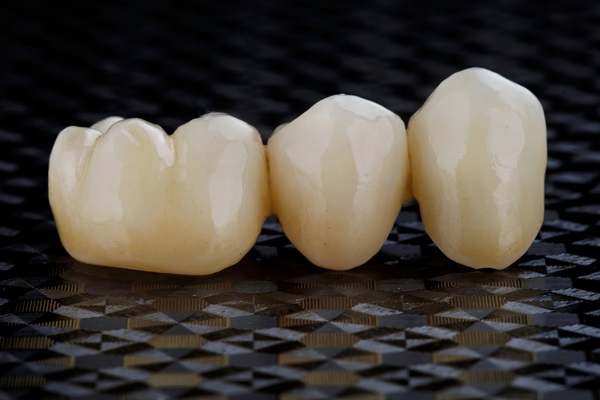
A dental bridge is often an important tooth-replacement option when one or more teeth are missing in the same area. Gaps in the smile affect chewing, speech, and overall oral health. Over time, missing teeth can also affect jaw alignment and place extra stress on the remaining teeth. Understanding how a bridge works helps patients see why a general dentist may recommend this solution.
What is a dental bridge?
A dental bridge is a fixed restoration that replaces one or more missing teeth in a row. It usually includes a false tooth, called a pontic, supported by crowns placed on the teeth next to the space. These supporting teeth, known as abutments, hold the bridge securely so it stays in place during speaking and chewing. Since the dentist must cement the restoration in place, patients cannot remove it for cleaning like they can with a removable partial denture.
Modern bridges use materials such as porcelain or ceramic that closely resemble natural enamel. The dentist can customize the shade and shape to blend with the surrounding teeth. When designed carefully, a bridge restores a natural-looking smile while also supporting proper bite function.
Why a dentist may recommend a dental bridge
A general dentist often recommends a dental bridge when a patient has a single missing tooth or a small group of teeth in one area. Leaving a gap untreated allows neighboring teeth to drift, which creates crowding, tilting, and bite problems over time. These changes increase the risk of chips, fractures, and jaw discomfort.
A bridge helps stabilize the bite by keeping teeth in their proper positions. It also restores chewing ability in the area, which supports better nutrition and comfort during meals. For patients who prefer a fixed solution and either do not want or do not qualify for implants, a bridge offers a predictable and efficient option.
Comparing dental bridges with other tooth replacement options
Every tooth replacement option has its own strengths, and a dental bridge often stands out for its convenience and shorter treatment time. Unlike implants, bridges do not require surgery or healing time for the jawbone. The process typically involves preparing the abutment teeth, taking impressions or digital scans, and placing a custom restoration once it is ready. This timeline appeals to patients who want their smile restored more quickly.
Compared with removable partial dentures, a dental bridge provides greater stability and comfort. There is no need for adhesives, and the restoration does not shift during conversation or eating. At the same time, it is important to remember that the dentist must reshape abutment teeth to hold crowns, which permanently changes those teeth. A dentist reviews these tradeoffs so patients understand the full picture before moving forward.
Schedule an appointment
A dental bridge is a viable solution for those who are missing one to four teeth. When maintained properly, a dental bridge can provide many years of comfort, stability, and confidence, making it a strong option for patients seeking a reliable tooth replacement solution. Are you looking to restore your smile or learn more about dental bridges? Contact Villa Dental to schedule an appointment.
Request an appointment here: https://www.villadental.com or call Villa Dental at (301) 409-3583 for an appointment in our Bethesda office.
Check out what others are saying about our dental services on Yelp: Dental Bridges in Bethesda, MD.
Related Posts
Along with other treatments, a dental bridge is a common way to improve a smile and help you feel better about your appearance. This procedure can replace missing teeth and close embarrassing gaps in your mouth. If you undergo this process, you can have less anxiety in social situations and want to open your mouth…
Dental bridges are effective at replacing missing teeth. However, having a bridge does not mean that you can neglect your oral hygiene. On the contrary, with a bridge, dental hygiene becomes even more important than before. However, you may have to learn new techniques for cleaning your dental bridge, as well as avoid some behaviors…
Dental crowns are an essential restorative treatment for patients who need to protect or strengthen a damaged tooth. However, like any dental restoration, crowns can encounter issues over time. Understanding these common issues and how to address them can help ensure a longer-lasting and more comfortable restoration.One of the most common problems with dental crowns…
While the cost of dental crowns is usually covered by insurance, getting a crown can still be an expensive and time-consuming process. Once the crown is in place, it can be tempting to forget about it and continue your normal habits, but not being mindful of your tooth restoration could lead to you having to…